
Your true size doesn’t change by brand, but how a brand labels and cuts that size absolutely does.
Accurate, private, and always free- no signup, and nothing you enter is stored.
Why Brands Run Differently
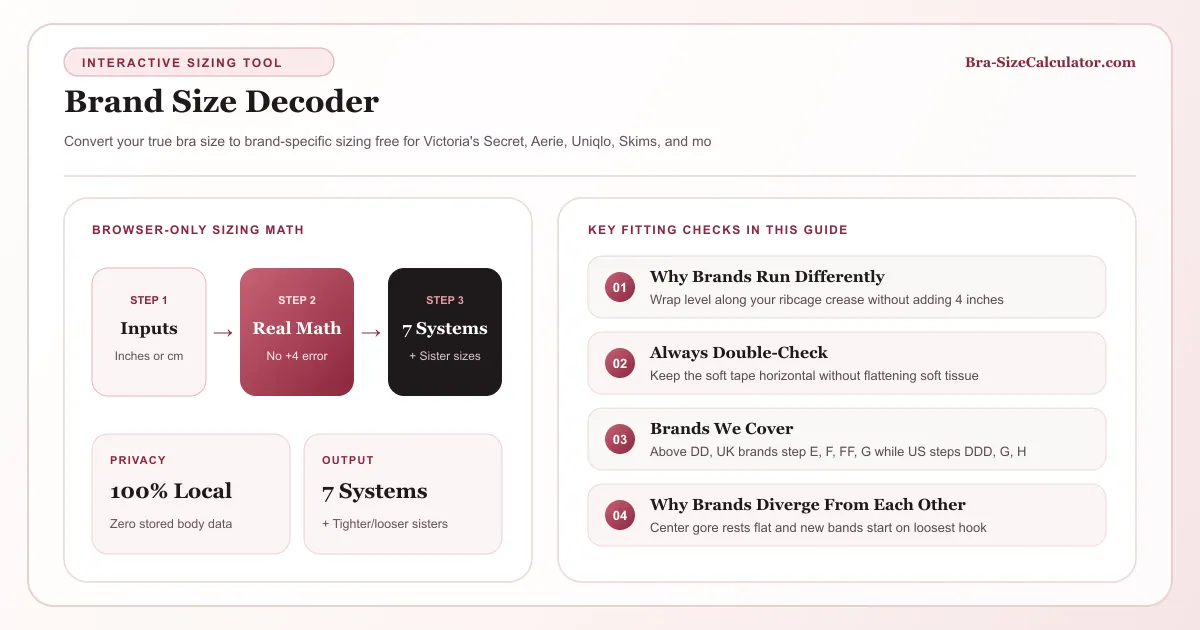
Two brands can use identical size labels for noticeably different actual measurements, especially between brands designed in different countries. Enter your true US size and pick a brand below to see a starting-point adjustment based on commonly reported patterns for that brand.
Always Double-Check
These are general tendencies, not guarantees. The specific style and fabric within a brand can shift things further. Whenever possible, check the brand’s own size chart for the exact item before ordering.
Brands We Cover
Victoria’s Secret, Aerie, Uniqlo, Skims, ThirdLove, Calvin Klein, Target, and Shein. See our individual Brand size chart guides for more detail on each.
Why Brands Diverge From Each Other
Each brand uses its own pattern-makers, target-customer assumptions, and cut philosophy. There’s no single industry-wide standard enforcing consistency the way, say, shoe half-sizes are roughly consistent.
Some brands run generously to appear “flattering” on a size label; others cut tightly for a compressed silhouette. Neither is more correct.
How to Use a Decoder Result Well
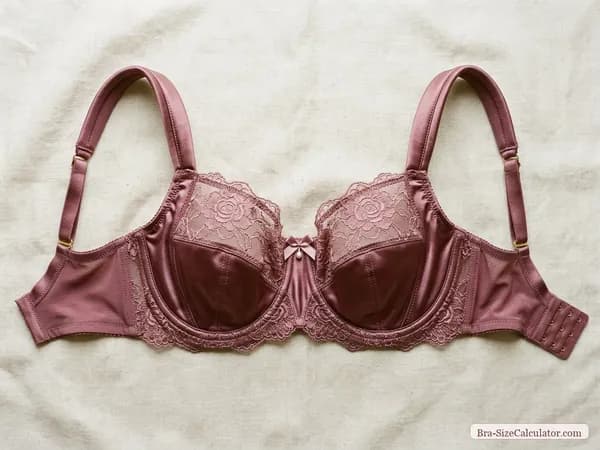
Treat the suggested starting size as exactly that. A starting point for your first order, not a guarantee. Check the specific style’s own reviews or size notes when a brand offers them, since even one brand’s cut varies across balconette, plunge, and full-coverage lines.
Buying From a New Brand for the First Time
Order with an easy return policy in mind, and consider ordering your true size and the brand’s suggested adjustment together on a first try if the return window and cost make that practical. It saves a full shipping round-trip if the first guess is off.
Sizing Systems Aren’t Always the Reason
Sometimes a “too small” or “too big” result isn’t sizing at all. It’s fabric stretch, construction stiffness, or a style that doesn’t suit your shape. The decoder handles the sizing half of the equation; shape and style handle the rest.
How We Determine Brand Tendencies
The tendencies noted for each brand reflect commonly reported patterns from real shoppers and general construction notes. Not official brand-published data, since most brands don’t publish exact fit-deviation figures. Treat every result as a well-informed starting point, not a guarantee, and always sanity-check the specific style’s own reviews when possible.
What to Do When a Brand Isn’t Listed
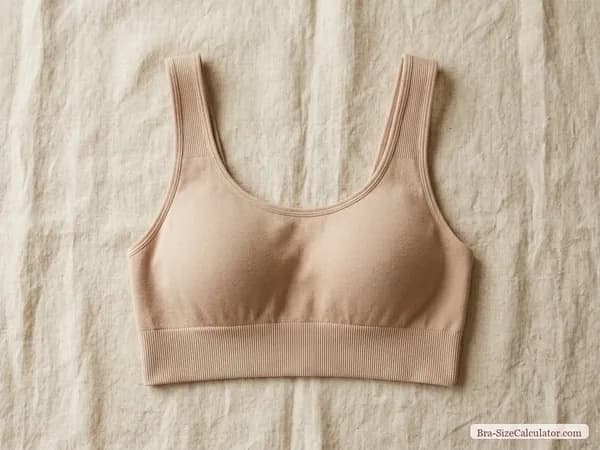
For brands not covered here, start from your true measured size and check the brand’s own size chart carefully. Look specifically for construction cues (wireless vs. underwire, stretch fabric vs. structured) that tend to predict fit tendency even without brand-specific data.
Why the Same Brand Can Run Differently Across Categories
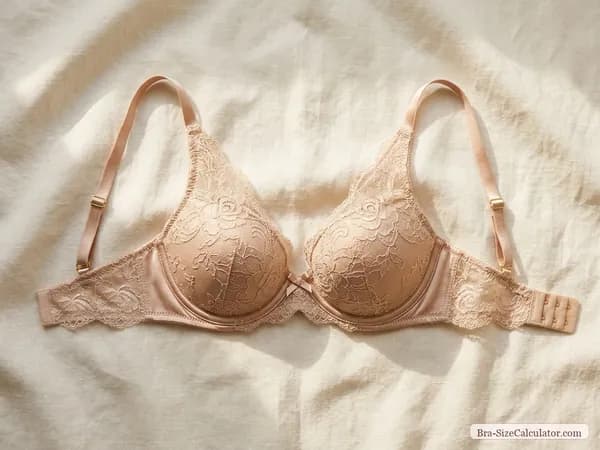
A brand that runs true-to-size in its everyday cotton bras might run differently in a push-up or plunge style built with different construction and fabric. Cut changes between product lines within one brand more than people expect. Treat brand tendencies as a starting adjustment, then confirm against reviews or the specific product’s chart before finalizing a size.
Keeping Your True Size as Your Anchor
Whatever a brand’s tendency turns out to be, your own measured band and cup stays the reference point. Brand adjustments are a shortcut to a starting size, not a replacement for knowing your real numbers.
When a Brand Genuinely Has No Consistent Pattern
Some brands, especially fast-fashion marketplaces with many independent sellers, simply don’t have one consistent sizing tendency to decode, in those cases, checking each specific listing’s own chart is more reliable than any general brand-level adjustment.
When to Trust the Decoder Less
Limited-run collections, collaborations, or heavily discounted clearance items sometimes use different specs than a brand’s mainline sizing. Treat the decoder as a strong starting point for core, ongoing product lines specifically.